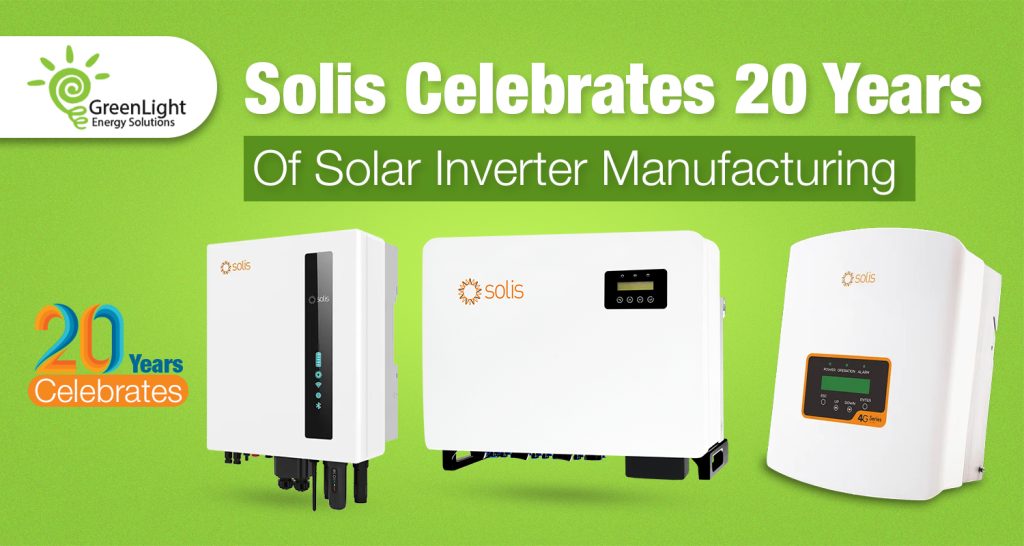
For two decades, Solis has played a steady role in shaping the global solar inverter market. From modest beginnings in the mid-2000s to becoming one of the most recognised inverter brands worldwide, the company’s 20-year milestone reflects more than longevity. It highlights how engineering focus, manufacturing scale and real-world performance have helped solar systems deliver dependable energy across homes, businesses and utility-scale projects.
As solar adoption accelerates in Australia, the story behind the Solis solar inverter is particularly relevant. Reliability, efficiency and long-term support are no longer optional. They are expectations. Solis’ 20-year anniversary offers a chance to look at how the brand has evolved and why its inverters continue to feature in Australian solar installations.
From Early Manufacturing to Global Scale
Solis was established in 2005 with a clear focus: design and manufacture grid-connected solar inverters that could perform consistently in diverse conditions. At the time, the solar market was far smaller and far less mature. Early inverter designs were often bulky, inefficient and limited in monitoring capability.
Over the following years, Solis invested heavily in in-house research, automated manufacturing and testing facilities. This approach allowed tighter quality control and faster product development. Rather than relying on outsourced designs, Solis built its own inverter platforms, refining them through repeated field data and installer feedback.
By the early 2010s, Solis had expanded well beyond its original markets. Its inverters were operating across Europe, Asia-Pacific and emerging solar regions where grid stability and environmental conditions posed real challenges. This global exposure helped shape inverter designs that could handle voltage fluctuations, heat and long operating hours.
Why the Solis Solar Inverter Gained Industry Attention
The growth of Solis was not driven by marketing alone. Installers and system designers began to notice several practical advantages that set the brand apart.
Key factors behind its adoption include:
- Consistent efficiency levels across residential and commercial models
- Compact designs that simplify installation and wall mounting
- Robust internal components built for long duty cycles
- Comprehensive monitoring platforms for system visibility
- Compliance with international and Australian grid standards
For Australian conditions, these points matter. High ambient temperatures, long summer days and varied grid requirements demand inverters that can operate reliably without constant intervention.
Solis inverters have been tested across desert heat, coastal humidity and regional power networks. That adaptability has contributed to their steady uptake in Australia’s residential and commercial solar markets.
Technology Milestones Over 20 Years
Reaching a 20-year anniversary in inverter manufacturing is not just about staying in business. It reflects continuous technical progress.
Over the past two decades, Solis has introduced improvements that align closely with where solar technology has headed:
- Higher MPPT accuracy, allowing panels to extract more energy during partial shading
- Improved thermal management, reducing performance drop-off in hot climates
- Advanced grid support features, helping stabilise voltage and frequency
- Integration with energy storage systems, supporting hybrid and battery-ready designs
- Smarter monitoring tools, giving installers and owners clearer system insights
These developments mirror broader industry shifts. Modern inverters are no longer simple DC-to-AC converters. They are intelligent power managers, responding in real time to grid signals, energy demand and weather conditions.
Solis and the Australian Solar Market
Australia has one of the highest per-capita solar adoption rates in the world. This creates both opportunity and pressure for inverter manufacturers. Products must meet strict standards while also delivering value over long system lifespans.
Solis solar inverters are commonly selected for:
- Residential rooftop systems
- Small to medium commercial installations
- Large-scale solar farms and utility projects
Australian installers often look for brands that balance cost with proven reliability. Over time, Solis has built a reputation as a practical choice rather than a premium-priced novelty. Its inverters are designed to do their job quietly and consistently, which is exactly what many system owners want.
From an installer’s perspective, predictable performance and straightforward commissioning reduce time on site. From an owner’s perspective, stable output and clear monitoring build confidence in the investment.
Manufacturing Scale and Quality Control
One reason Solis has maintained consistency over 20 years is its manufacturing approach. Large-scale automated production allows tight tolerances and repeatable quality. Each inverter model goes through multiple testing stages, including thermal cycling and electrical stress tests.
This focus on manufacturing discipline matters. Inverters are often the hardest-working component of a solar system. They operate daily, for years, converting energy under variable loads. Small weaknesses can turn into long-term failures.
By controlling the production process, Solis reduces variability between units. This consistency supports longer operational life and fewer unexpected faults.
The Role of Solis in the Clean Energy Transition
Celebrating a Solis 20 years anniversary is also a reminder of how quickly clean energy has moved from niche to mainstream. In 2005, solar was still considered an alternative option. Today, it is a central pillar of energy planning across Australia and beyond.
Inverters sit at the heart of this transition. Without efficient, grid-compatible inverters, solar panels cannot deliver usable power. Solis’ contribution lies in making that conversion reliable at scale.
Over two decades, Solis inverters have helped reduce reliance on fossil fuels, lower electricity costs for households and support renewable integration into national grids. While individual systems may seem small, their combined impact is significant.
What 20 Years Means for Long-Term Support
Longevity also matters for after-sales support. Solar systems are expected to operate for 20 to 30 years. Choosing an inverter manufacturer with a proven track record reduces risk for system owners.
A brand that has navigated changing standards, market cycles and technology shifts is more likely to remain available when support or replacements are needed. Solis’ two-decade presence provides reassurance that the company understands long-term responsibility, not just short-term sales.
Looking Ahead: The Next Phase of Inverter Innovation
As Solis moves beyond its 20-year milestone, the focus shifts to future challenges. These include higher grid interaction requirements, increased battery integration and smarter energy management.
Australian solar systems are increasingly paired with storage, EV chargers and smart home platforms. Inverters must coordinate these elements seamlessly. Solis’ ongoing investment in software development and hybrid inverter platforms suggests it is positioning itself for this next phase.
Rather than reinventing its approach, the brand continues to refine what it has built: efficient hardware, stable performance and practical monitoring tools.
Why This Milestone Matters for Solar Buyers
For homeowners and businesses considering solar, milestones like this provide context. A 20-year manufacturing history signals experience earned through real-world operation, not just lab testing.
When selecting a solar inverter, buyers should look beyond headline efficiency figures. Manufacturing pedigree, global deployment and long-term product support all play a role in system performance over time.
Solis’ anniversary serves as a reminder that steady engineering progress often delivers more value than short-lived innovation trends.
Conclusion
Solis reaching 20 years in solar inverter manufacturing is a meaningful milestone built on consistent engineering, large-scale production and proven field performance. In a fast-moving industry, this level of longevity signals stability, technical maturity and a deep understanding of how inverters must perform over decades, not just at installation.
For Australian homeowners and businesses exploring solar, this track record provides added confidence when selecting system components. A Solis solar inverter reflects years of refinement shaped by global deployment and local grid requirements. When paired with professional system design and quality installation, that experience translates into dependable long-term output.
At GreenLight Solar, proven technology matters. By working with trusted inverter brands like Solis, GreenLight Solar helps customers invest in solar solutions designed for performance, reliability and future energy needs across Australia.
FAQ:
1. Is Solis a reliable solar inverter brand?
Yes. Solis has over 20 years of experience manufacturing solar inverters and operates globally across residential, commercial and utility-scale projects. Its long manufacturing history, large production scale and compliance with Australian standards make Solis a reliable choice for long-term solar performance.
2. Are Solis solar inverters suitable for Australian conditions?
Solis solar inverters are well suited to Australian conditions. They are designed to operate in high temperatures, handle voltage fluctuations and comply with local grid requirements. This makes them suitable for rooftops, commercial sites and solar farms across different regions of Australia.
3. How long do Solis solar inverters last?
A Solis solar inverter is typically designed to operate for 10 to 15 years or more, depending on usage, environment and maintenance. With proper installation and monitoring, many systems continue performing reliably beyond their initial warranty period.
4. Does Solis offer monitoring for solar systems?
Yes. Solis inverters include advanced monitoring platforms that allow system owners and installers to track energy production, system performance and potential faults in real time. This helps ensure issues are identified early and system output remains consistent.
5. Are Solis inverters compatible with solar batteries?
Many Solis models are battery-ready or designed as hybrid inverters, making them compatible with energy storage systems. This allows homeowners and businesses to add batteries now or in the future as energy needs change.
6. Why is Solis celebrating its 20 years anniversary?
The Solis 20 years anniversary marks two decades of continuous solar inverter manufacturing, innovation and global deployment. It reflects the brand’s ability to adapt to evolving technology, grid standards and renewable energy demand worldwide.
7. Is a Solis solar inverter good value for money?
Solis is often considered good value because it balances efficiency, durability and cost. Rather than focusing on premium pricing, Solis inverters are designed to deliver dependable performance and practical features that suit long-term solar investments.
8. Where can I install a Solis solar inverter in Australia?
Solis solar inverters can be installed by accredited solar installers across Australia. At Green Light Solar, Solis inverters are selected for their proven performance, reliability and suitability for Australian residential and commercial solar systems.