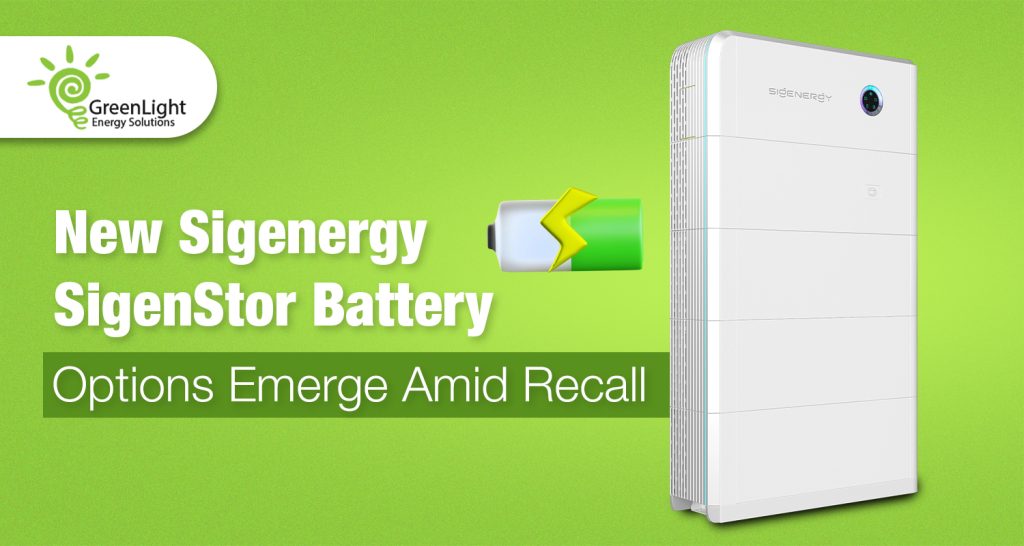
The Australian solar market has seen rapid interest in the New Sigenergy SigenStor Battery, driven by its modular design, hybrid inverter integration and promise of simplified energy storage. However, the recent Sigenergy SigenStor Battery recall has prompted many homeowners to reassess their options before committing to a solar battery system.
While recalls are not uncommon in emerging battery technology, they do raise important questions about product safety, installation standards and long-term reliability. This article explains what the recall means, how the SigenStor system works, and the practical alternatives available to Australian households considering a solar battery.
What is the Sigenergy SigenStor battery system?
The Sigenergy SigenStor is an all-in-one energy storage platform that combines a hybrid inverter, battery modules and energy management controls into a single stackable system. Unlike traditional batteries that require separate components, SigenStor is designed to simplify installation while allowing capacity to scale as household energy needs grow.
For many Australian homes, the appeal lies in:
- Modular battery expansion without replacing the full system
- Compact footprint suitable for garages and plant rooms
- Integration with solar PV and grid supply
- Smart monitoring via cloud-based software
Despite these benefits, recent safety concerns have placed the system under closer scrutiny.
Why was the New Sigenergy SigenStor Battery recalled?
The New Sigenergy SigenStor Battery recall relates to identified safety risks associated with specific battery modules and control components supplied to certain markets. Regulatory bodies flagged the potential for overheating under fault conditions, which could increase fire risk if left unaddressed.
In simple terms, the recall is precautionary rather than reactive. No widespread incidents have been reported in Australia, but authorities acted early to ensure installers and homeowners were protected. Sigenergy has since worked with distributors to halt affected units, offer inspections and roll out revised hardware.
Does the Sigenergy SigenStor recall affect Australian solar homes?
Not all installations are affected.
Most Australian systems were installed through accredited installers following local electrical standards. However, homeowners with recently installed SigenStor units should confirm their system’s serial number and manufacturing batch with their installer.
The longer answer is more nuanced. Australian compliance requirements are among the strictest globally, which limits exposure to faulty components. Still, recalls can disrupt timelines, approvals and consumer confidence, particularly for homeowners midway through a solar battery upgrade.
Is the Sigenergy SigenStor battery safe to use after the recall?
Yes, provided the system has been cleared or updated.
A SigenStor battery that has passed inspection or received updated components is considered safe for normal operation.
From a broader perspective, recalls are part of responsible product development. Manufacturers identify edge-case risks, regulators intervene, and revised units are released with improved safeguards. For homeowners, the key factor is installer follow-up. A reputable solar provider ensures affected systems are isolated, assessed and brought into compliance before ongoing use.
What alternatives exist to the Sigenergy SigenStor battery?
The recall has led many Australians to explore other solar battery options that offer proven performance and established safety records. While no battery is perfect, several systems stand out for reliability and long-term support.
Popular alternatives include:
- Modular lithium batteries with independent inverters
- AC-coupled batteries compatible with existing solar systems
- Brands with long Australian track records and local service networks
Choosing an alternative doesn’t necessarily mean compromising on performance. In many cases, homeowners gain more flexibility, especially if future expansion or integration with EV chargers is planned.
Should you delay installing a solar battery because of the recall?
Not necessarily. The recall alone is not a reason to abandon solar battery plans.
For households facing rising electricity prices, batteries remain one of the most effective ways to increase self-consumption and reduce grid reliance. The smarter approach is to work with an installer who understands current recalls, product updates and supply chain changes. This ensures the selected battery is compliant, supported and suited to your energy profile.
Delaying without a plan may cost more in the long run, especially as feed-in tariffs continue to decline across Australia.
How does the SigenStor compare to other solar batteries?
From a design perspective, SigenStor competes strongly on integration and aesthetics. However, comparison should go beyond appearance.
Key comparison points include:
- Battery chemistry and thermal management
- Inverter redundancy and fault isolation
- Software stability and update pathways
- Warranty clarity and Australian support presence
Some competing solar battery systems separate these functions, which can actually improve resilience. If one component fails, the entire system doesn’t necessarily shut down.
What should Australian homeowners check before choosing a solar battery?
Before committing to any solar battery, including newer SigenStor models, homeowners should assess:
- Installer accreditation and recall handling experience
- Compliance with Australian Standards (AS/NZS)
- Battery capacity matched to household usage
- Warranty terms, including labour and replacement conditions
- Manufacturer track record in the Australian market
These factors matter more than brand hype or headline specifications.
Are new Sigenergy SigenStor battery options expected?
Yes. Sigenergy has already indicated revised models with enhanced safety controls and improved thermal protection. These updates are expected to address regulatory concerns while preserving the modular concept that made SigenStor popular.
For homeowners not in a rush, waiting for updated releases may offer peace of mind. For others, established alternatives provide a stable path forward without uncertainty.
Final thoughts:
The New Sigenergy SigenStor Battery recall has highlighted the importance of due diligence in the fast-moving solar battery market. While innovation continues to improve energy storage solutions, safety, compliance and long-term support remain non-negotiable for Australian households.
A recall does not signal failure. It reflects a system evolving in response to real-world testing and regulatory oversight. The real difference lies in how installers guide homeowners through these changes, protect their investment and recommend solutions that align with both current energy needs and future goals.
For Australians considering a solar battery, informed decisions, transparent advice and proven reliability matter far more than chasing the latest release. This is where experienced providers like Greenlight Solar play a critical role — helping homeowners navigate product changes with clarity, confidence and a long-term view of energy independence.
FAQ:
Is the New Sigenergy SigenStor Battery still available in Australia?
Yes. The New Sigenergy SigenStor Battery is still available in Australia, but supply depends on manufacturing batches and updated compliance checks. Following the recall, distributors paused certain units while revised components were introduced. Australian installers now confirm batch numbers and safety updates before installation. Availability may vary by state and installer, so homeowners should always confirm current stock status and compliance before proceeding.
What caused the Sigenergy SigenStor Battery recall?
The Sigenergy SigenStor Battery recall was issued due to potential safety concerns involving overheating risks under rare fault conditions. While no widespread incidents were reported in Australia, regulators acted early to prevent possible hazards. The recall focused on specific battery modules and control components, allowing updated hardware and safeguards to be introduced before broader deployment across residential solar battery systems.
Can an existing Sigenergy SigenStor Battery be upgraded instead of replaced?
In most cases, yes. Existing Sigenergy SigenStor Battery systems can be upgraded rather than fully replaced, depending on the affected components. Installers may replace specific battery modules, control units or firmware to meet updated safety standards. This modular approach reduces waste and cost while maintaining system performance. Homeowners should rely on their installer to confirm eligibility and complete any required upgrades.
Is a solar battery still worth installing after this recall?
Yes. A solar battery remains a worthwhile investment for many Australian households despite the recall. Battery storage improves solar self-consumption, reduces grid reliance and protects against rising electricity prices. The recall highlights the importance of choosing compliant products and experienced installers, not avoiding batteries altogether. With proper system selection and support, the long-term financial and energy benefits still apply.
What should homeowners do before choosing a solar battery now?
Homeowners should confirm product compliance, installer accreditation and manufacturer support before choosing a solar battery. It’s important to ask about recall history, warranty coverage, Australian standards certification and future upgrade options. Comparing alternatives alongside the Sigenergy SigenStor Battery can also reveal systems with longer local track records. Informed decisions reduce risk and ensure reliable performance over the battery’s lifespan.