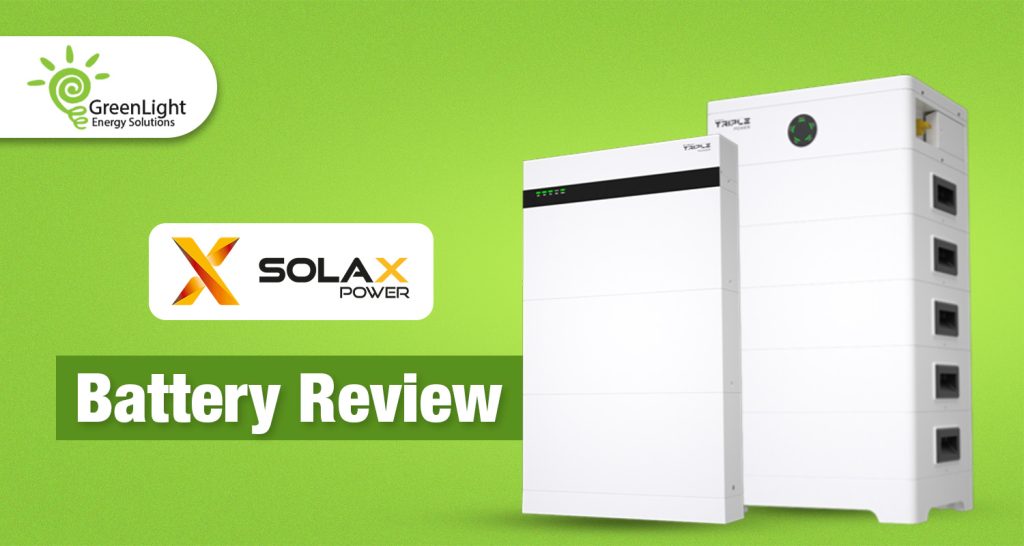
SolaX batteries have become a popular “value-for-money” pick in Australia because they’re modular, use safer LFP chemistry, and usually land in the more affordable end of the installed-price range. The trade-off is compatibility (most models are DC-coupled and typically require a compatible SolaX hybrid inverter) and, depending on your installer/supplier, support pathways can feel less direct than brands with a large local office footprint.
What’s actually ranking
After reviewing the top-ranking competitor pages, a few patterns explain why they sit on page one:
- They give a verdict fast (price band, warranty basics, key pros/cons).
- They include specifics: usable capacity per module, modular stack limits, and warranty/throughput numbers.
- They’re honest about constraints: inverter dependency, DC-coupling, and support considerations.
- They add real-world context: customer ratings/reviews, plus past product history (e.g., chemistry changes and older model issues).
This review keeps those “what buyers actually care about” elements, but frames them for homeowners in Sydney making a purchase decision (not just comparing spec sheets).
SolaX battery range in Australia:
Most current discussion centres on the SolaX Triple Power high-voltage platform (T-BAT HS series). It’s designed around stackable LFP modules that let you start smaller and expand later.
Common module options mentioned in Australian market reviews include:
- 3.6kWh nominal modules (often referenced as ~3.2kWh usable in practice) that can be stacked into larger systems.
- 5.1kWh modules, also stackable, to build bigger systems with fewer pieces.
- System sizing can scale from “typical home” capacities to much larger totals depending on the stack configuration referenced by reviewers.
Why modular matters
In Sydney, a lot of households start with a battery to cover evening peak usage, then expand once they’ve seen real bills and seasonal behaviour. Modular batteries suit that approach—provided your expansion rules, installer support, and warranty conditions are clear upfront.
Chemistry and safety: LFP is the key point
One reason SolaX has gained traction is the move to LFP (lithium iron phosphate) cells for current lines, which are generally viewed as more thermally stable than older chemistries used in some past battery products. SolarQuotes notes SolaX previously used NMC cells from LG Chem and references a recall affecting some older models, with those models discontinued and SolaX switching to LFP from another supplier.
Bottom line: if you’re comparing quotes, confirm you’re being offered the current LFP-based system (and ask the installer to list the exact model number on the quote).
Performance in plain language
A solar battery doesn’t magically reduce bills on its own—it shifts your solar use into the evening.
With a correctly sized SolaX battery, many households aim to:
- Run lights, fridge, TV, Wi-Fi, and typical evening loads using stored solar
- Reduce grid imports during peak pricing periods (especially on time-of-use plans)
- Keep essentials running if the system includes blackout backup capability (where configured)
Competitor reviews also flag that backup functionality is tied to the inverter and system design, not just the battery box.
Inverter compatibility:
This is where many “cheap battery” quotes go wrong.
SolaX batteries discussed in these reviews are typically DC-connected and commonly require a compatible SolaX hybrid inverter. SolarQuotes lists “must use Solax hybrid inverters” as a key con.
What that means for your home
- If you already have solar with a non-hybrid inverter, you may need an inverter upgrade to go SolaX (cost and complexity can change the value equation).
- If you’re building a new solar + battery system from scratch, pairing SolaX battery + SolaX hybrid inverter can be straightforward.
If you’re shopping for a solar battery Sydney installation, ask the installer:
- Is the quote battery-ready hybrid from day one?
- What loads can be backed up (whole home vs essential circuits)?
- What happens if you want to expand capacity later?
Cost and value:
Independent round-ups put SolaX in the “comparatively cheap” category.
Solar Choice cites an average installed price in the ballpark of $900–$1,050 per usable kWh from its installer network.
Aussie Solar Tech references a broader $600–$1,050 per usable kWh range depending on system size and configuration.
Pricing still varies heavily based on:
- switchboard work (common in older Sydney homes)
- distance, roof access, and cabling runs
- whether you need a hybrid inverter upgrade
- backup circuits and critical-load rewiring
So the “cheap battery” only stays cheap if the scope is clean.
Warranty and longevity:
Across competitor reviews, the common headline is:
- 10-year product/performance warranty
- ~70% capacity remaining at the end of the warranty term
- throughput warranty referenced as 3.46MWh per usable kWh
Practical checks before you sign:
- Is the warranty administered through the manufacturer, distributor, or installer?
- Does the warranty require specific monitoring, internet connectivity, or periodic checks?
- If you expand later, do the new modules inherit a separate warranty clock?
Solar Choice also discusses the question of local presence/support pathways in Australia, which is worth weighing if you value rapid, local escalation.
Pros and cons
Pros
- Modular design (start smaller, expand later)
- Generally good value compared with premium brands
- LFP chemistry on current lines, with better thermal stability credentials than some older battery chemistries
Cons
- Compatibility constraint: often tied to SolaX hybrid inverters / DC coupling
- Support pathways vary depending on distributor/installer arrangements
- Expansion rules/approvals and system design details need to be confirmed upfront
Who SolaX suits best
Good fit if you:
- want a cost-effective solar battery with modular scaling
- are installing a new hybrid solar + battery system
- want to reduce evening grid imports in a typical Sydney household
Think twice if you:
- already have a solar inverter you don’t want to replace
- need guaranteed, brand-owned local service infrastructure (ask your installer how support is handled)
- want an AC-coupled battery to retrofit to an existing system without inverter changes
Choosing the right size in Sydney:
A simple way to avoid overspending is to size the battery for the job you actually want it to do.
- Bill reduction focus: size to cover your typical evening/night usage (not your full daily consumption).
- Backup focus: decide which circuits matter (fridge, lights, internet, a few GPOs), then size for outage duration.
- EV household: you’ll usually get better ROI adding more solar first, then expanding battery later (unless you can reliably charge the EV from solar midday).
A reputable installer will show you expected battery cycling based on your interval data, not guesswork.
If you’re in Sydney, Greenlight Solar positions solar battery installations as tailored to local homes and businesses (useful when switchboards, shading, and load profiles vary suburb to suburb).
What to ask your installer before buying
Use these questions to compare quotes apples-to-apples:
- Exact battery model + inverter model (written on the quote)
- Usable capacity (kWh) and expected cycles per year
- What’s backed up during blackout (and how it’s wired)
- Warranty administration and escalation path
- Expansion rules: timeframe, approvals, and any limitations
- Monitoring platform access and who owns the login
Mini wrap-up
If you want a modular, generally affordable battery and you’re comfortable with the inverter pairing requirements, SolaX is a strong contender especially for Sydney households focused on cutting evening power bills. Just make sure your quote clearly lists the exact model, confirms the hybrid inverter design, and outlines warranty and support arrangements in writing.For tailored advice and professional installation, speak with the team at Greenlight Solar to ensure your SolaX battery system is properly sized, configured, and supported for your home.