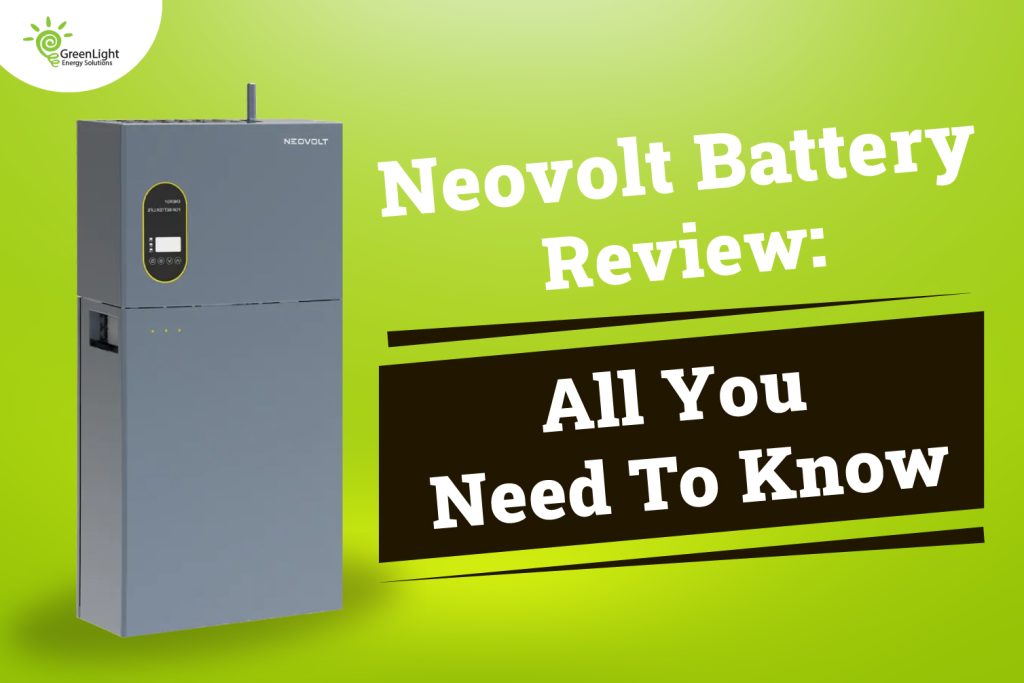
As renewable energy becomes increasingly popular across Australia, having a reliable solar battery system is essential for both homes and businesses looking to achieve greater energy independence. The Neovolt Battery has gained attention as a dependable option for those wanting to optimise their solar investment. In this review, we’ll examine its features, performance, and benefits to help you decide if it’s the right battery for your energy needs.
What is the Neovolt Battery?
The Neovolt Battery is a high-capacity Lithium Iron Phosphate (LiFePO4) battery that integrates seamlessly with solar panel systems, providing efficient energy storage for residential and commercial properties. Neovolt is distributed in Australia by VoltX Energy under a manufacturing partnership with Bytewatt, a Chinese energy storage manufacturer, and is sometimes listed under the names Bytewatt Neovolt or VoltX Neovolt Ecopulse. Known for its durability and efficiency, it’s built to meet Australian energy demands, performing well under both sunny and cloudy conditions.
Key Features of the Neovolt Battery
- High Storage Capacity: Neovolt offers a range of capacities, allowing you to choose a model that fits your energy requirements.
- Efficient Power Output: Designed to optimise energy transfer, Neovolt reduces energy waste, maximising the utility of stored power.
- Long Battery Life: Built with LiFePO4 (Lithium Iron Phosphate) chemistry, the safer, more thermally stable technology used across most modern home batteries, Neovolt is durable and supports a high number of charge cycles.
- Weather Resilience: Engineered to perform effectively under diverse Australian weather conditions, making it suitable for various regions.
How Does the Neovolt Battery Work with Solar Systems?
The Neovolt Battery captures and stores excess solar energy generated during the day. This stored power can then be used during peak usage times, at night, or on cloudy days, reducing your reliance on the grid and potentially leading to substantial savings on electricity bills.
Advantages of Choosing the Neovolt Battery
- Energy Independence: By storing your own solar power, you reduce dependence on the grid, protecting yourself from outages and energy price hikes.
- Environmental Impact: Using stored solar energy decreases the need for fossil fuel-based electricity, contributing to a more sustainable future.
- Cost Savings: While it requires an upfront investment, the long-term savings can offset the initial cost, especially as energy prices continue to rise.
- Reliable Backup Power: Neovolt provides dependable backup power during outages, ensuring essential appliances remain functional.
- Customisable Options: Neovolt batteries are available in various sizes, making them suitable for both small homes and large commercial setups.
Technical Specifications of the Neovolt Battery
- Battery Chemistry: Lithium Iron Phosphate (LiFePO4 / LFP)
- Base Unit Capacity: 10.1 kWh nominal, 9.6 kWh usable
- Scalability: Up to 6 units can be linked in parallel, scaling to around 60.6 kWh for larger homes or small businesses
- Cycle Life: 6,000 to 8,000+ charge cycles
- Backup Switchover: Approximately 20ms during a grid outage
- Inverter: Single-phase all-in-one system with a built-in hybrid inverter (3.6kW or 5kW options), or AC-coupled with an existing solar inverter
- IP Rating: IP65
- Warranty: 10 years, guaranteeing at least 80% usable capacity retention over the warranty term
These specifications position Neovolt as a genuinely competitive budget option, though as a newer entrant to the Australian market it has a smaller local service footprint than established brands like Tesla or Sungrow.
Neovolt Battery Price in Australia
When considering a solar battery system, cost plays a big role. The Neovolt Battery is generally considered a mid-range budget option in the Australian market, with installed pricing for a 15 kWh configuration typically starting from around $7,000 before rebates, roughly half the installed cost of a comparable-capacity Tesla Powerwall 3.
The federal battery rebate changed on 1 May 2026. The Cheaper Home Batteries Program now applies a tiered rate based on usable capacity rather than the old flat-rate discount:
- First 14 kWh of usable capacity: full rebate rate, currently around $250 per kWh
- 14 kWh to 28 kWh: 60% of the full rate, currently around $150 per kWh
- 28 kWh to 50 kWh: 15% of the full rate, currently around $40 per kWh
Because the standard Neovolt base unit (9.6 kWh usable) sits entirely inside the full-rate tier, it earns the maximum available rebate per kWh, around $2,400 on a single unit. Stack a second unit for roughly 19.2 kWh usable and the extra capacity partly spills into the reduced 60% tier.
The rebate is applied directly on your installer’s quote, so there’s no separate application. Final installed cost depends on your configuration, existing switchboard, and site access, so the most accurate number is a personalised quote.
One important eligibility note: Neovolt’s standalone battery may not appear on the CEC approved product list on its own, since approval depends on the specific inverter and system it’s paired with. If you’re relying on a state-based rebate in Victoria, South Australia, or Queensland that requires a CEC-listed system, confirm the exact configuration is CEC-approved before signing. Learn more in our complete guide to the Federal Government Solar Battery Rebate.
Installation and Maintenance
To ensure optimal performance, Neovolt Battery installation should be handled by certified installers. Once set up, the battery requires minimal maintenance due to its stable LiFePO4 chemistry. While regular check-ups are recommended, the system is designed to be low maintenance.
Customer Reviews and Feedback
Users have praised the Neovolt Battery for its reliability, performance, and significant savings on electricity bills. Many appreciate its quiet operation and resilience in diverse weather conditions. However, some feedback suggests that the initial cost may be a hurdle for smaller households, though the overall sentiment is positive regarding its support for energy independence.
Comparison: Neovolt Battery vs. Other Solar Batteries
When comparing the Neovolt Battery to other popular options like the Tesla Powerwall and Alpha ESS, it stands out on price, with the trade-off being a smaller local service network as a newer brand in Australia.
| Feature | Neovolt Battery | Tesla Powerwall 3 | Alpha ESS |
|---|---|---|---|
| Battery Chemistry | LiFePO4 | LiFePO4 | LiFePO4 |
| Capacity Options | 10.1 kWh per unit, scalable to ~60.6 kWh | 13.5 kWh | 5.7, 10.3 kWh |
| Warranty | 10 years | 10 years | 10 years |
| CEC Listing | Depends on system configuration | Standalone CEC-listed | Standalone CEC-listed |
| Cost Efficiency | High (budget tier) | Moderate to premium | Moderate |
For a closer look at the range we install, see our Neovolt Solar Battery product page.
Is the Neovolt Battery Right for You?
The Neovolt Battery could be an excellent choice if you’re seeking cost-effective energy independence and reliable backup power. It’s ideal for those looking to make the most of their solar system, especially in areas prone to power outages. While the upfront cost is an investment, the long-term savings and sustainability benefits make it a worthwhile choice for those committed to renewable energy.
Final Thoughts
Focusing on reliability, energy independence, and long-term durability, the Neovolt Battery offers a strong solution for those looking to take control of their energy consumption and costs. Consulting with a solar expert can help determine whether Neovolt aligns with your specific energy needs.
FAQs
How long does the Neovolt Battery last?
The Neovolt Battery is designed to last around 10 years, backed by a warranty guaranteeing at least 80% usable capacity retention, with a rated cycle life of 6,000 to 8,000+ charge cycles.
Is the Neovolt Battery compatible with all solar panels?
Yes, Neovolt works with most inverter brands, making it compatible with a wide range of solar panel systems.
What does the Neovolt Battery cost?
Pricing varies depending on the model and installation requirements. Generally, it’s considered a mid-range option with a good balance of performance and affordability.
Does the Neovolt Battery provide backup power?
Yes, it supports critical appliances during outages, ensuring you have power when you need it most.
Who Makes the Neovolt Battery?
Neovolt is manufactured by Bytewatt, a Chinese energy storage company, and distributed exclusively in Australia by VoltX Energy. It’s sometimes listed under the names Bytewatt Neovolt or VoltX Neovolt Ecopulse, all referring to the same underlying product.