




Dyness Solar Battery Installation
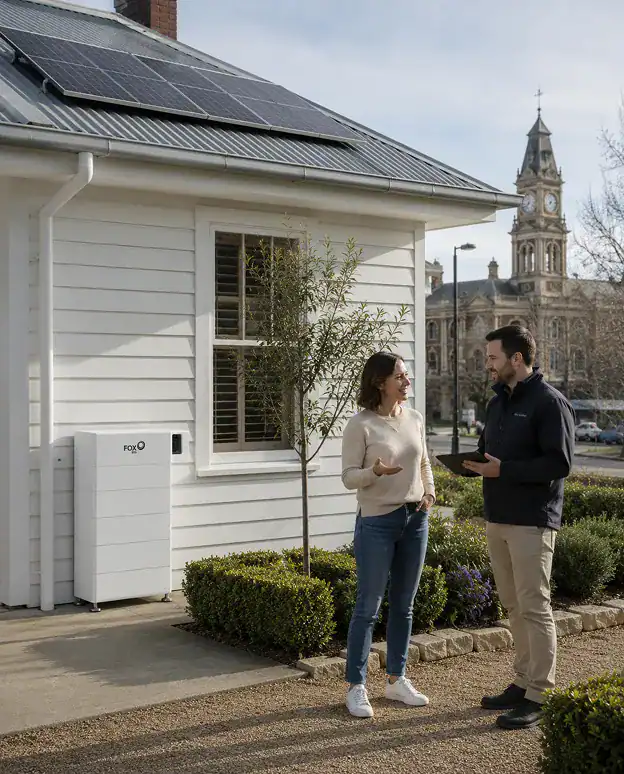
Dyness is a lithium iron phosphate (LFP) storage manufacturer that has moved from a budget label to a genuine mid-market option in Australia, now backed by a local entity and support line. Its current range runs from a wall-mounted retrofit battery to a fully integrated all-in-one system, all built on LFP, the chemistry best suited to sitting outside through an Australian summer.
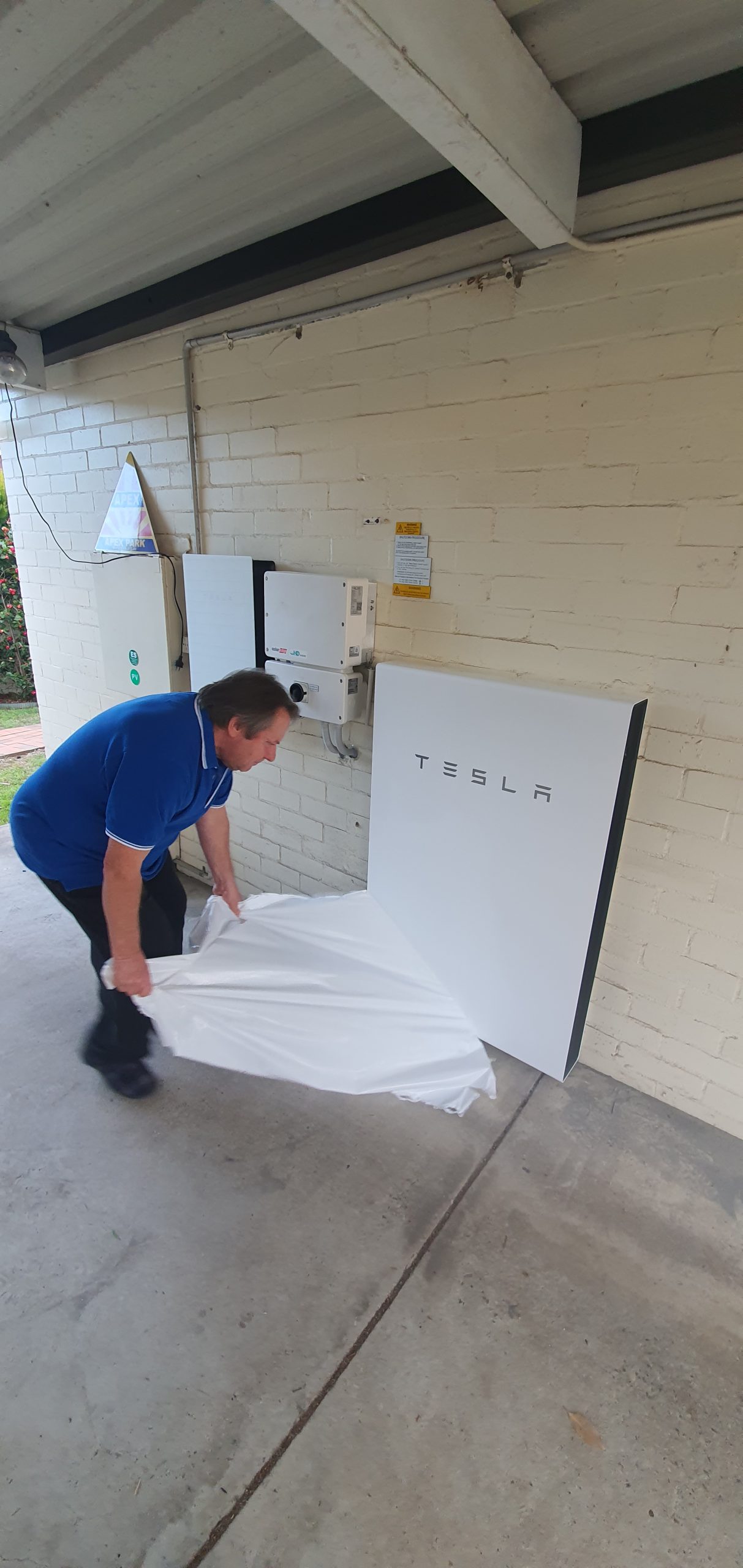
Greenlight Solar supplies and installs Dyness storage across New South Wales and South-East Queensland. Every job is completed by a CEC-accredited team, matched to the right inverter, and backed by our workmanship warranty on top of the Dyness product warranty. You can see how it sits against other brands on our solar battery range and our guide to the best solar batteries in Australia.
Dyness battery models available in Australia
These are the current models most relevant to Australian homes.
Cygni
All-in-one (hybrid inverter + battery)
7.68 to 46.08 kWh
10 kW single-phase inverter, 15 kW PV input, 3 MPPTs, backup switchover under 10 ms, IP66, built-in fire suppression
A new solar-and-battery system from one brand
STACK100 Pro
Modular high-voltage stack
15.36 to 76.8 kWh per stack (parallel for more)
1C charge/discharge, IP66, natural cooling, stronger throughput warranty
Large homes, EV charging, three-phase, light commercial
STACK100
Earlier-generation HV stack
15.36 to 76.8 kWh
Same stackable format as the Pro
Where discounted stock is available
Powerbox G2
Low-voltage, wall-mounted
9.6 kWh nominal (9.728 kWh usable)
Pairs with third-party hybrid inverters (GoodWe, Growatt, Solis, Deye)
Retrofits and homes tight on floor space
Cygni (all-in-one) is Dyness’ flagship for Australia and the easiest choice for a fresh install: inverter and stackable battery in one IP66 unit, with sub-10-millisecond blackout switchover and built-in fire suppression. Start at 7.68 kWh and scale to 46.08 kWh as your usage grows.
STACK100 Pro is the one to reach for when you need serious capacity, from 15.36 kWh up to 76.8 kWh per stack, with a 1C rating that lets it charge or discharge its full usable capacity in roughly an hour. That helps you grab a short winter solar window or push harder through the evening peak. For an average home using 15 to 20 kWh a day it is often more than you need, so we size it honestly. Not sure how big to go? See what size battery you need.
Powerbox G2 is the practical retrofit option: a wall-mounted 9.6 kWh unit (9.728 kWh usable) that pairs with a compatible third-party hybrid inverter.
Dyness specifications at a glance
Chemistry
LFP (LiFePO₄) across the range, giving high thermal stability and long cycle life.
Warranty
10-year product warranty with a minimum 70% capacity retained at end of term. Newer models such as the STACK100 Pro carry stronger throughput
Protection
IP66 on current models (Cygni and STACK100 Pro), genuinely outdoor-rated for Australian conditions.
Safety
Selected models include built-in fire suppression and natural cooling.
Scalability
Modular by design, so you add modules or parallel units as your needs grow.
Inverter compatibility (battery-only models): Dyness publishes compatibility with GoodWe, Growatt, Solis, Deye, Hoymiles and others. Our team confirms the exact approved battery-and-inverter combination before install. If you are choosing an inverter at the same time, browse our inverter range, including Sungrow and Solis.
Dyness battery price and the federal rebate
Dyness sits in the value-to-mid tier, which, combined with the current federal discount, makes it one of the more affordable routes into home storage. As a guide, a 10 kWh Dyness system is commonly quoted from the low-to-mid five figures before rebate, but the installed price depends on the model, your inverter, switchboard, mounting and site. For broader context, see our solar battery costs guide.
The federal Cheaper Home Batteries Program takes roughly 30% off the upfront cost of an eligible battery (usable capacity 5 kWh to 100 kWh). You do not apply. As a CEC-accredited installer, Greenlight claims the small-scale technology certificates (STCs) and applies the discount straight to your quote, so you simply pay the reduced price. Points worth knowing:
The battery must be installed by an accredited installer and, for grid-connected homes, be VPP-capable. Dyness systems qualify.
The discount steps down roughly every six months, and the program winds down by the end of the decade, so installing sooner secures a larger discount.
NSW homes may be able to stack a state incentive and a VPP connection payment on top. We confirm what currently applies to your address.
Rebate amounts change regularly, so we show the exact current figure on your written quote. See our full federal battery rebate guide.
Which Dyness battery suits your home?
Building a new system and want one brand, one warranty contact, and fast backup?
Need large capacity for a big household, EV or three-phase supply?
Adding storage to existing solar, or short on floor space?
If you would rather compare against a premium alternative, see our Sungrow battery and Tesla battery pages. Not sure which fits your inverter and usage? Contact us for a free battery quote.
Eligible Households Can Be Qualified For Rebates Up To $10,000 On Solar Battery Installation!
Pros and cons
Pros
Competitive pricing versus premium brands
Strong current specs (IP66, 1C on STACK100 Pro)
Modular sizing from about 7.7 kWh to 76.8 kWh and beyond
Built-in fire suppression on selected models
All-in-one Cygni option for new builds
Cons
Shorter Australian track record than market leaders
Fewer long-term local reviews
Local support footprint smaller than the biggest brands
Battery-only models need a compatible hybrid inverter
We Work With Quality Brands


Installation and warranty with Greenlight Solar
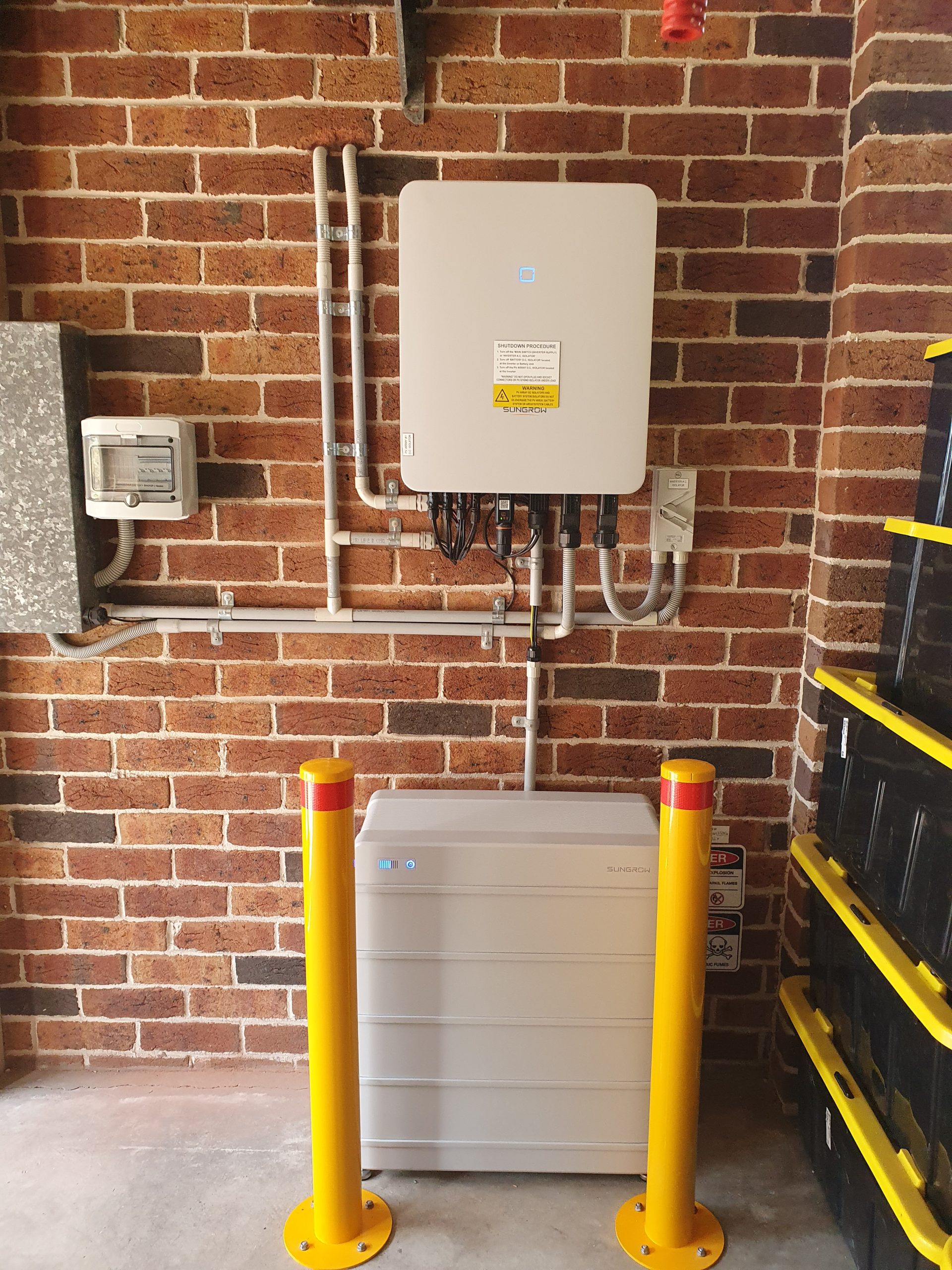
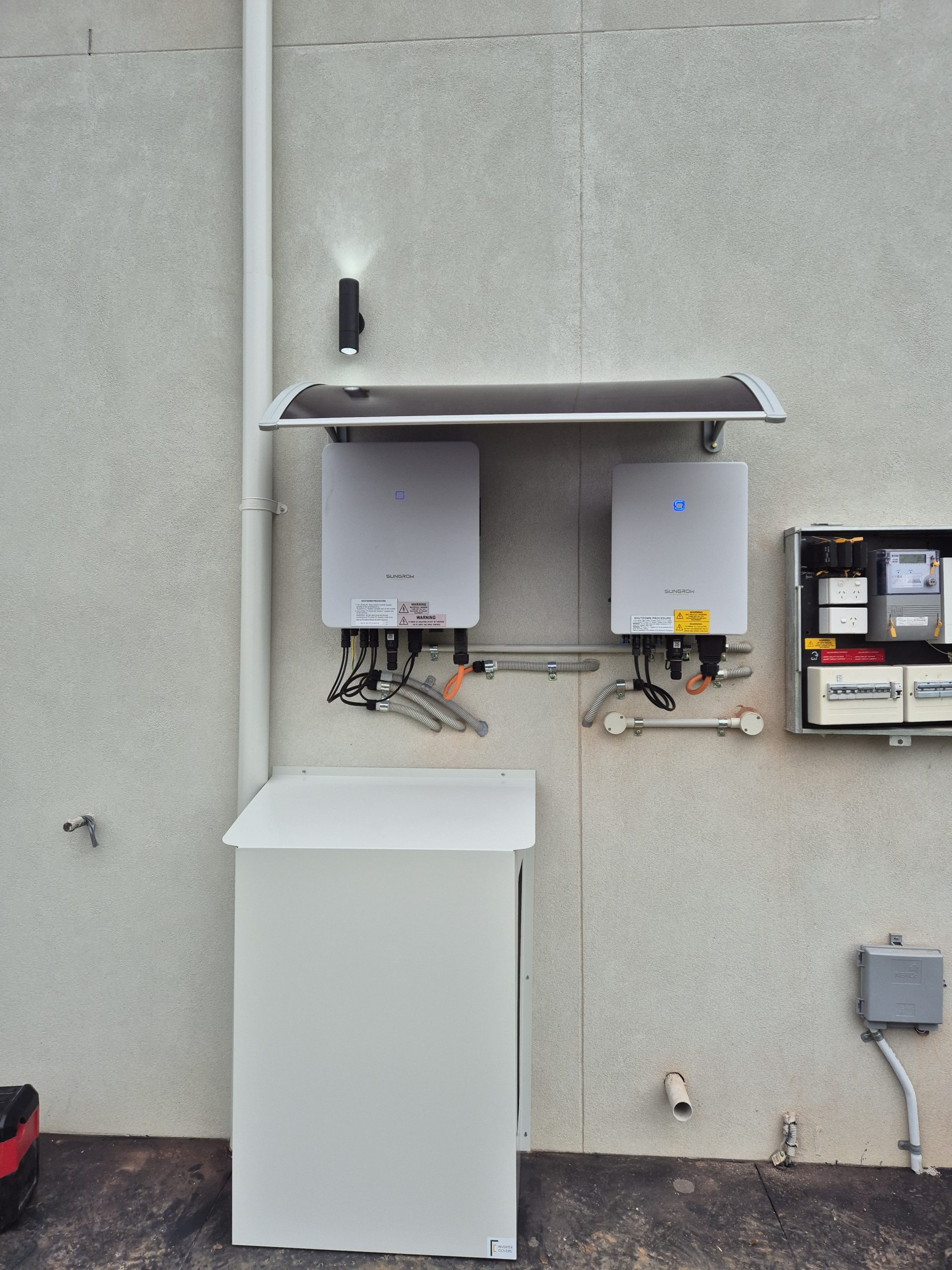
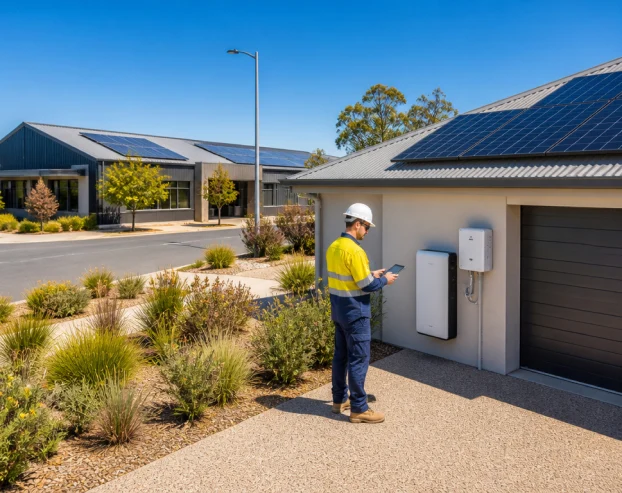
Greenlight is CEC-accredited and services NSW and South-East Queensland. Every Dyness install includes correct inverter matching, a compliant mounting location, commissioning, monitoring setup, and our workmanship warranty alongside the Dyness product warranty. We handle the rebate paperwork end to end. We install across Greater Sydney and regional NSW, and across South-East Queensland, so whether you are in Sydney or Brisbane we can help.
FAQs
Is Dyness a good battery brand?
It is an established LFP manufacturer that has moved into the mid-market, now with local Australian support. Installed correctly with the right inverter, it is a solid value-to-mid choice.
What is the difference between the Cygni and the STACK100 Pro?
The Cygni is an all-in-one (inverter plus battery) suited to new systems. The STACK100 Pro is a large modular battery for high-capacity or three-phase homes.
How long does a Dyness battery last?
The range carries a 10-year warranty with at least 70% capacity retained, and newer models add stronger throughput allowances.
Can a Dyness battery be installed outside?
Yes, current models are IP66-rated. We still pick a shaded, ventilated spot to protect performance and warranty.
Is Dyness eligible for the federal battery rebate?
Yes, and Greenlight applies the discount to your quote as a CEC-accredited installe