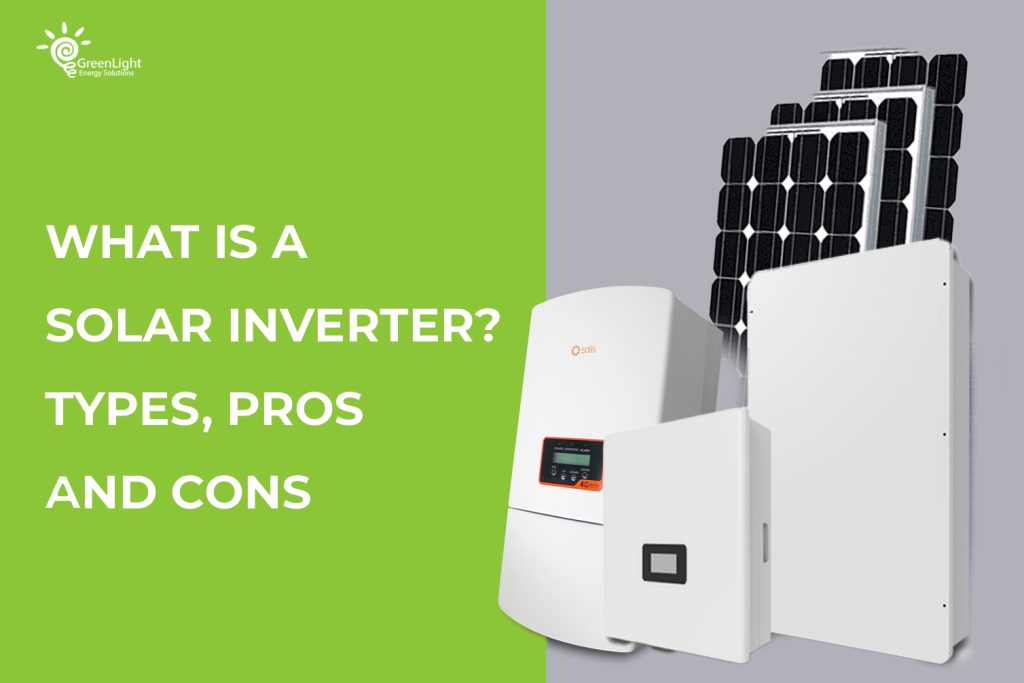
Solar energy has become a game-changer for households and businesses across Australia. The solar inverter is one of the most critical components of any solar power system. Often referred to as the “brain” of a solar setup, it plays a critical role in converting raw solar energy into usable energy. Although it plays a crucial role, many individuals are still unfamiliar with what a solar inverter does and how it impacts their system’s efficiency.
This blog will explore solar inverters, the available types, and their advantages and challenges. We’ll also answer commonly asked questions to help you make the right choice for your solar installation.
What Does a Solar Inverter Do?
A solar inverter is a key device that transforms direct current (DC) electricity produced by solar panels into alternating current (AC) electricity. AC electricity operates appliances and equipment in residential and commercial spaces. With a solar inverter, the electricity generated by your panels would remain usable.
Beyond conversion, modern inverters have advanced functionalities such as performance monitoring, fault detection, and voltage regulation. They bridge your solar panels and the grid or battery storage, ensuring seamless energy flow. In essence, the solar inverter is responsible for maximising the efficiency of your solar power system while keeping it safe and reliable.
Types of Solar Inverters
Selecting the correct type of solar inverter is necessary for optimising the performance of your solar power system. Here are the main types available:
1. String Inverters
String inverters are a popular option for residential solar systems installations. They connect a series of solar panels into a “string” and convert the collective DC output into AC electricity.
- Pros: They are cost-effective and relatively easy to maintain due to their centralised design.
- Cons: The entire system’s performance can be affected if one panel experiences shading or damage.
2. Microinverters
Microinverters are individually attached to each solar panel, converting DC to AC electricity at the panel level. This design makes them ideal for installations where shading is a concern.
- Pros: They allow for maximum energy production by isolating the performance of each panel.
- Cons: They are more expensive upfront than string inverters, and maintenance can be complex.
3. Hybrid Inverters
Hybrid inverters combine the functionalities of a standard inverter with the ability to manage energy storage systems, such as solar batteries.
- Pros: They are perfect for systems that include batteries, offering seamless integration and efficient energy management.
- Cons: Their cost is typically higher, making them a better choice for advanced setups.
4. Central Inverters
Central inverters are designed for large-scale commercial solar projects. They work similarly to string inverters, but on a much larger scale.
- Pros: They are highly efficient for large systems with uniform panel performance..
- Cons: Their size and cost make them unsuitable for residential use.
When selecting an inverter, consider factors like your system size, shading conditions, and future energy storage needs. Consulting a solar professional can help you make the right decision.
What is the Best Solar Inverter Brand in Australia?
Choosing a reliable solar inverter brand can significantly affect the efficiency and durability of your solar power system. In Australia, several brands have earned a reputation for quality and performance:
- Fronius: Known for its innovative features and excellent durability, Fronius inverters are a favourite among Australians. They offer advanced monitoring capabilities and reliable performance.
- Sungrow: As one of the most affordable options, Sungrow delivers value without compromising quality. Their inverters are widely used in residential and commercial installations.
- SolarEdge: SolarEdge inverters are popular for their innovative technology and ability to optimise system performance. They are ideal for installations with complex shading issues.
Each brand offers unique advantages, so choosing one that aligns with your specific energy requirements and budget is essential.
Pros of Solar Inverters
Investing in a solar inverters in Australia offers numerous benefits that improve the efficiency and performance of your solar power system:
- Energy Conversion: A solar inverter efficiently converts the DC electricity generated by your panels into usable AC electricity. This step is essential for powering household appliances and connecting to the grid.
- Performance Monitoring: Advanced solar inverters are equipped with monitoring systems to help track your solar system’s energy generation and consumption. This insight enables you to optimise usage and detect issues early.
- Grid Compatibility: Solar inverters enable your system to connect seamlessly to the grid, allowing you to export excess energy or draw power when needed.
- Safety Features: Modern inverters have protective measures to prevent electrical faults and ensure safe operation.
What Are the Disadvantages of a Solar Inverter?
While solar inverters play a crucial role in converting energy and ensuring the efficiency of solar power systems, they come with certain limitations that are important to consider:
1. Performance Issues Due to Shading or Faulty Panels
In string inverter setups, a single shaded or malfunctioning panel can reduce the energy output of the entire array. Since all panels in the string operate at the level of the weakest panel, this can lead to significant energy losses in shaded or less-than-ideal conditions.
2. Limited Flexibility for System Expansion
Expanding a solar system that uses a string inverter can be complex and costly. Adding new panels may require an additional inverter or significant adjustments to the existing setup, which can complicate the process and increase overall expenses.
3. Lifespan Concerns
Solar inverters generally have a shorter lifespan than solar panels, typically lasting around 10–15 years. This means replacing the inverter at least once during the system’s lifespan is often necessary, adding to long-term maintenance costs.
4. Additional Safety Equipment Requirements
String inverters often need supplementary equipment like DC optimizers or shutdown devices to comply with safety regulations, such as rapid shutdown requirements. These additions not only increase upfront costs but also add complexity to the system.
5. System Dependency on the Inverter’s Performance
In string inverter systems, a failure in the inverter impacts the entire solar power setup, as it acts as the central point for energy conversion. Downtime due to inverter issues can significantly disrupt energy production until repairs or replacements are made.
Should I Leave My Solar Inverter On All the Time?
Yes, solar inverters are built to operate continuously to ensure consistent energy conversion and efficient system monitoring. By entering a low-power standby mode, they are designed to adjust automatically when solar panels are inactive, such as during the night. The inverter resumes full operation with sunrise, eliminating the need for manual intervention.
For most systems, it is best to always leave the inverter on, as turning it off unnecessarily may disrupt energy production and reduce overall efficiency. However, in specific cases, such as prolonged periods of non-use in off-grid systems, it may be advisable to power down the inverter to conserve energy. Always refer to the manufacturer’s guidelines for the best practices suited to your setup.
Solar Inverter Installation Process
Installing a solar inverter is a critical step that licensed professionals should handle. Here’s an overview of the process:
- Site Assessment: An installer evaluates your property to determine the ideal placement for the inverter. Factors like ventilation, accessibility, and shading are considered.
- System Design: The inverter is selected based on your energy needs, panel setup, and any future storage requirements.
- Installation and Testing: The inverter is installed and connected to your solar panels, battery (if applicable), and grid. The system is then tested for efficiency and safety.
- Monitoring Setup: If the inverter has a monitoring feature, the installer will set it up and guide you through using it.
Correct installation is essential for fully leveraging the advantages of the solar system while minimising potential issues.
Conclusion
A solar inverter is indispensable to any solar power system. It converts raw solar energy into electricity that powers your home or business. Multiple types are available, including string, micro, hybrid, and central inverters, so there’s an option to suit every need and budget.
While solar inverters require an upfront investment and regular maintenance, their energy efficiency, safety, and grid compatibility benefits make them worth every penny. Partnering with a trusted solar installer ensures you get the best inverter for your system and enjoy long-term reliability.
Looking to choose the right solar inverter for your system? Explore reliable solar inverter brands and consult with our professionals at Greenlight Solar to maximise the efficiency and durability of your solar power setup. Ensure you’re making an informed choice tailored to your energy needs!