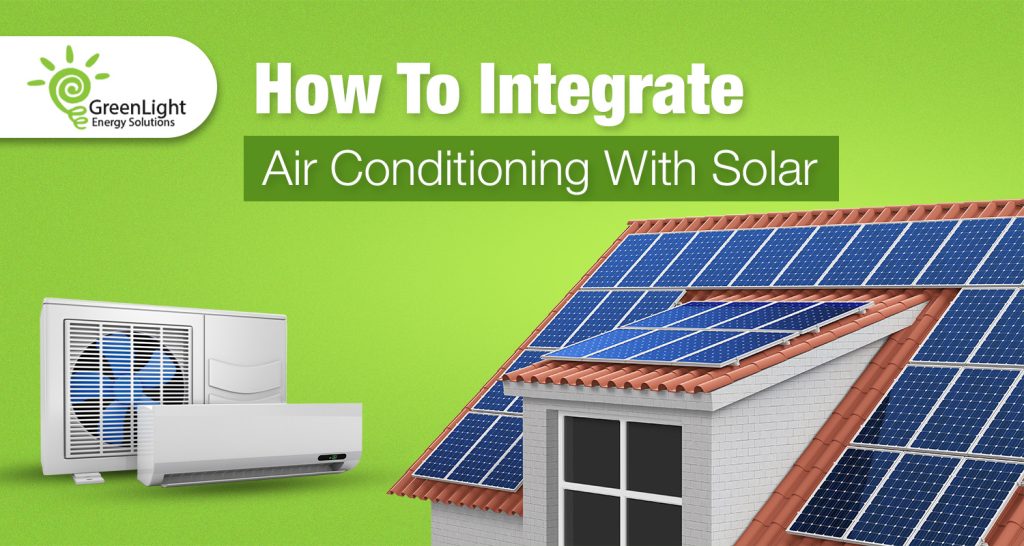
Integrating air conditioning with solar power is one of the most practical ways Australian households can cut electricity bills while staying comfortable year-round. With air conditioners often being the biggest energy users in a home, pairing them correctly with a solar system allows you to run cooling and heating using power generated on your own roof instead of relying on the grid.
This guide explains how solar and air conditioning work together, the best system setups for Australian conditions, and what to consider before installation.
Why Air Conditioning and Solar Are a Natural Fit
Air conditioners consume the most electricity during the day, particularly in summer. This happens to align perfectly with peak solar generation hours.
When solar panels are producing power:
- Your air conditioner can run directly on solar energy
- Less electricity is drawn from the grid
- Exported solar energy can be reduced or avoided
- Energy bills drop immediately
In many Australian homes, cooling accounts for up to 40% of summer power use, making air conditioning the most effective appliance to offset with solar.
Understanding How Solar Powers an Air Conditioner
Solar panels generate electricity as direct current (DC), which is converted into usable alternating current (AC) by an inverter. Your air conditioner then draws this electricity in the same way it would from the grid.
There is no special “solar air conditioner” required. The integration happens at the system level, not the appliance level.
The key factors that matter are:
- Solar system size
- Inverter capacity
- Air conditioner efficiency
- When the air conditioner is used
Choosing the Right Solar System Size for Air Conditioning
One of the most common mistakes is installing solar without considering air conditioning demand.
Typical Power Use (Guide Only)
- Small split system (2.5–3.5kW): ~0.6–1.2kW while running
- Medium split system (5–7kW): ~1.5–2.5kW
- Ducted air conditioning: 3kW–6kW+
To run air conditioning primarily on solar:
- A 6.6kW solar system can comfortably support one to two split systems
- Larger homes with ducted air conditioning often need 10kW or more
Correct system sizing ensures your air conditioner can operate without constantly pulling power from the grid.
Matching Solar With Modern Inverter Air Conditioners
Inverter air conditioners are far more suitable for solar homes than older fixed-speed units.
Why inverter air conditioners work better with solar:
- They ramp power use up and down instead of switching on at full load
- Lower starting current reduces strain on the inverter
- More stable power draw matches solar production patterns
- Better efficiency during long operating periods
Most modern split systems sold in Australia are inverter-based, making them ideal for solar integration.
Best Ways To Use Air Conditioning With Solar
1. Daytime Cooling and Heating
Running air conditioning between 9am and 4pm allows it to operate mostly on solar power. This is the single most effective strategy.
Pre-cooling your home in summer or pre-heating in winter reduces the need for heavy use at night when solar production stops.
2. Smart Controls and Timers
Smart thermostats and built-in timers allow you to:
- Start cooling before peak heat arrives
- Reduce usage during low solar output
- Maintain consistent temperatures efficiently
Some systems can even be programmed to respond to solar production levels.
3. Battery Storage (Optional, Not Essential)
Solar batteries allow excess solar energy to be stored for evening use, but they are not mandatory for effective integration.
For many homes:
- Daytime solar usage delivers the biggest savings
- Batteries improve comfort but increase upfront cost
- Financial payback depends on usage habits and tariffs
A well-designed solar system can still significantly reduce air conditioning costs without a battery.
Integrating Solar With Ducted Air Conditioning
Ducted systems use more power but can still work effectively with solar when planned correctly.
Important considerations include:
- Larger solar array size
- Zoning to cool only occupied rooms
- High-efficiency ducted units
- Insulation quality of the home
Zoning alone can reduce air conditioning energy use by 20–40%, making solar integration far more effective.
Single-Phase vs Three-Phase Homes
Many larger Australian homes have three-phase power, especially where ducted air conditioning is installed.
Solar integration considerations:
- Three-phase solar systems distribute load more evenly
- Larger inverters support higher air conditioning demand
- Essential for homes with multiple high-draw appliances
A professional assessment ensures the solar system matches the home’s electrical setup.
Common Mistakes To Avoid
Undersizing the Solar System
A small system may cover lighting and appliances but fall short when air conditioning starts. Always size for peak summer demand.
Ignoring Usage Patterns
Solar works best during daylight hours. Running air conditioning heavily at night without a battery limits savings.
Poor Panel Placement
Shading, incorrect tilt, or poor orientation reduces output exactly when cooling demand is highest.
Overlooking Insulation
Even the best solar-powered air conditioner struggles in a poorly insulated home.
Real-World Savings in Australian Homes
Homes that properly integrate air conditioning with solar often see:
- 50–80% reduction in cooling costs
- Faster solar payback periods
- Improved home comfort
- Lower reliance on the grid during heatwaves
Savings are highest when the system is designed around real household behaviour, not generic estimates.
When Is the Best Time to Install Both Systems?
Installing solar and air conditioning together allows:
- Electrical systems to be sized correctly from the start
- Reduced installation duplication
- Better system coordination
- Improved long-term performance
For renovations or new builds, combined planning delivers the best outcome.
Is Integrating Air Conditioning With Solar Worth It?
For most Australian households, the answer is yes.
Air conditioning is one of the largest energy expenses in a home. Solar directly offsets this cost while improving comfort and reducing exposure to rising electricity prices.
The key is correct design, realistic expectations, and professional installation.
Final Thoughts
Integrating air conditioning with solar isn’t about running your home “for free”, but about using energy more intelligently. When solar generation aligns with cooling demand, households gain greater comfort while taking control of rising power costs.
With the right system size, efficient air conditioning, and smart usage habits, solar-powered cooling becomes one of the most practical and worthwhile upgrades an Australian home can make especially when designed and installed by experienced providers like GreenLight Solar, who understand local conditions and real household energy use.
FAQ:
Can I run my air conditioner using solar power?
Yes. Any standard air conditioner can run on solar power if your solar system is producing enough electricity at the time. The power flows through your inverter and supplies the air conditioner just like grid electricity, reducing how much energy you buy from your retailer.
Do I need a special solar air conditioner?
No. You don’t need a special or “solar-ready” air conditioner. Most modern split systems and ducted units work perfectly with solar. The key is having a correctly sized solar system and an efficient air conditioner.
How many solar panels do I need to run air conditioning?
The number depends on the size of your air conditioner and how often it runs. As a general guide:
- One split system typically needs a 6.6kW solar system
- Multiple split systems or ducted air conditioning may require 10kW or more
A professional assessment is essential to size the system correctly.
Is it cheaper to run air conditioning during the day with solar?
Yes. Running air conditioning during daylight hours is usually much cheaper because your solar panels are generating electricity. This reduces grid usage and avoids high peak electricity rates, especially in summer.
Can solar power run ducted air conditioning?
Yes, but ducted systems use more energy. To integrate ducted air conditioning effectively, you’ll need:
- A larger solar system
- Zoning to reduce unnecessary cooling
- Good insulation
- An efficient inverter-based ducted unit
Do I need a solar battery to run air conditioning?
No. A battery is not required to run air conditioning on solar during the day. Batteries are mainly useful if you want to run air conditioning in the evening or at night using stored solar energy.
What happens if my solar system isn’t producing enough power?
If your solar system can’t meet the full demand, your home will automatically draw the extra electricity from the grid. There’s no interruption to your air conditioner.
Are inverter air conditioners better for solar homes?
Yes. Inverter air conditioners adjust their power output based on demand, making them more efficient and better suited to solar generation. They also have lower startup power requirements.
Can solar reduce my air conditioning bills in winter?
Yes. Reverse-cycle air conditioners used for heating can also run on solar during winter days. While solar output is lower in winter, it can still significantly offset heating costs.
Is it better to install solar and air conditioning at the same time?
Often, yes. Installing both together allows the systems to be designed as one, ensuring:
- Correct electrical sizing
- Better load management
- Lower installation duplication
- Improved long-term performance
Will solar power my air conditioner during a blackout?
Not usually. Standard grid-connected solar systems shut down during blackouts for safety. To run air conditioning during outages, you need a battery system with blackout protection.
Does integrating air conditioning with solar increase home value?
In many cases, yes. Energy-efficient homes with solar and modern air conditioning are more attractive to buyers and can offer lower running costs, which adds long-term value.
How do I maximise solar usage for air conditioning?
To get the most benefit:
- Run air conditioning during daylight hours
- Pre-cool or pre-heat your home
- Use timers or smart thermostats
- Ensure your home is well insulated
Is integrating air conditioning with solar worth it in Australia?
For most Australian homes, yes. High solar potential, rising electricity prices, and frequent use of air conditioning make this one of the most effective ways to reduce energy costs while improving comfort.